
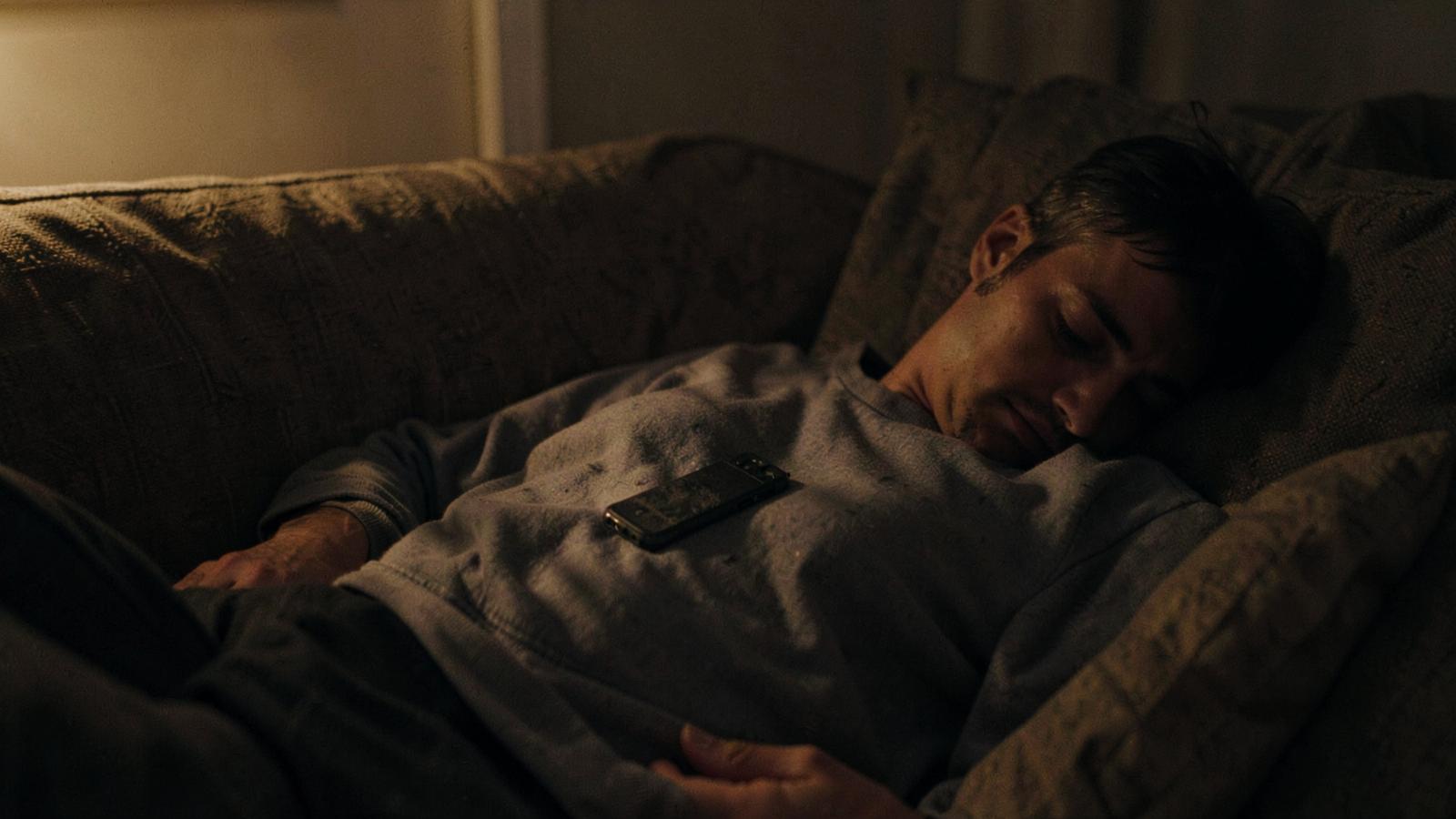
What is dating app fatigue?
It is the flat, drained feeling of repeating a low-reward loop: swipe, match, small talk, silence, repeat.
The loop is the problem. You swipe through dozens of profiles, most of which will never see you back. You match, exchange pleasantries, and about half of those threads die without a reason given. Then you do it again tomorrow.
What makes it tiring is not the rejection itself. Most people handle a no fairly well. It is the absence of resolution: nobody tells you why, so your brain runs the search anyway. Multiply that by a few dozen open loops a month and the tiredness is unsurprising.
Pew's research on online dating has consistently found that a large share of users describe the experience as frustrating or exhausting, even among people who also report positive outcomes. Both things are true at once, which is the confusing part.
How do you know it is fatigue and not the wrong app?
Fatigue feels flat everywhere. A bad app fit feels specifically annoying on one app and fine elsewhere.
There is a useful diagnostic. If you feel drained before you open the app, and equally drained on every app, that is fatigue. If one app irritates you and another still feels fine, that is a fit problem and switching helps.
A third possibility worth naming: you might be dating in a way that does not suit you. Someone who needs depth running a high-volume swipe app will burn out fast, regardless of how good the app is. The fix there is a slower app, not a longer break.
Our dating app quiz is a reasonable way to test the fit question, because it asks about pace and energy rather than just goals.
| Signal | Points to fatigue | Points to wrong app |
|---|---|---|
| Feeling before opening | Flat or dreading it on all apps | Irritated by one app specifically |
| Swipe behaviour | Swiping without reading profiles | Reading, but nobody fits |
| Conversations | You stop replying to people you liked | Matches never share your intent |
| After a good date | Still drained | Energised, then back to slog on the app |
Cut the number of apps before you cut the time
Two apps, maximum. Each extra app adds admin, notifications and half-dead threads without improving your odds much.
Five apps does not mean five times the matches. It means five inboxes, five profiles to keep current, and five sets of notifications competing for the same twenty minutes.
Pick one broad app that suits your goal and one specialist app if you have a specific need, then delete the rest for now. Most people find their results barely change and their mood improves within a fortnight.
If you cannot decide which to keep, keep the one where you have had the best conversations, not the one with the most matches. Matches are cheap; conversations are the scarce resource.
Give your sessions edges
Fifteen minutes, once a day, at a set time, with notifications off outside it.
Infinite scroll works because there is no natural stopping point. You have to supply one. A timer sounds silly until you try it and notice you were doing forty minutes without deciding to.
Turn off push notifications entirely. Check on your schedule rather than the app's. Reply to open threads first, swipe second, and stop when the timer goes, mid-deck if necessary.
And move things offline faster. A thirty-minute coffee tells you more than two weeks of texting, and it closes the loop either way. Open loops are the thing that drains you.
- Two apps at most
- One fixed daily session of about fifteen minutes
- Push notifications off
- Reply to existing threads before swiping
- Propose a plan within about a week of matching
- Unmatch dead threads rather than leaving them open
“Burnout is not a sign you are bad at dating. It is usually a sign your routine has no edges.”
Taking a break properly
Pause the accounts, set a return date two to four weeks out, and put something in the calendar for the time you free up.
A planned break works. Rage-deleting at midnight and reinstalling on Thursday does not, because nothing changed in between except your sense of failure.
Use the pause or hide feature rather than deleting, so you do not lose matches and history, then set an actual date to come back. Two to four weeks is usually enough to reset the flatness.
Use the time deliberately. The most common thing readers report after a break is not that dating got easier, it is that they had forgotten they had evenings. Come back with better photos, a shorter app list and a smaller time budget, and the same apps often feel completely different.
When it is more than fatigue
If low mood persists away from the apps, that is worth taking seriously with someone qualified.
Dating app fatigue lifts when you step away from dating apps. If the flatness follows you into the rest of your week, or you find yourself measuring your worth in likes, that is a different thing and it deserves a proper conversation with a doctor or therapist.
We write about apps, not mental health, and we are not going to pretend a checklist covers that. Nothing in this article is clinical advice.